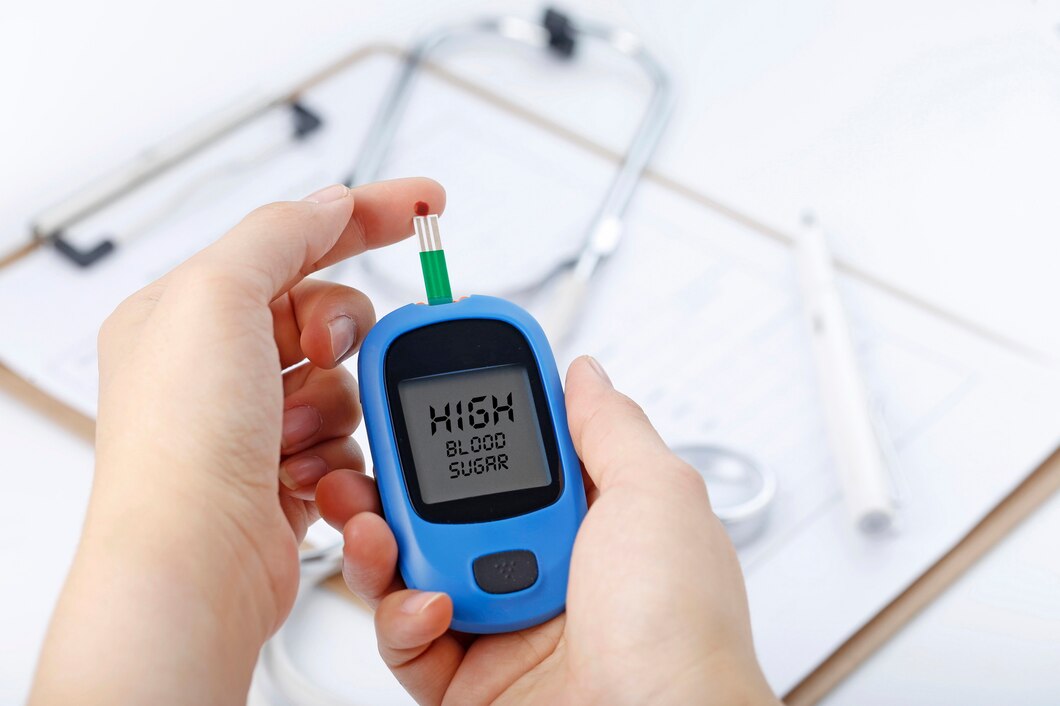
Pre-diabetes is often called a silent condition. With blood sugar levels higher than normal but not yet high enough to be classified as type 2 diabetes, it frequently develops without dramatic warning bells. However, your body does whisper subtle hints that something is amiss.
Ignoring these early signs is risky, as pre-diabetes can quietly progress to full-blown type 2 diabetes and increase your risk of heart disease and stroke. The good news? Pre-diabetes is largely reversible through lifestyle adjustments.
Here are 5 subtle warning signs of pre-diabetes that you shouldn’t ignore.
1. Persistent Fatigue and Low Energy
We all feel tired after a long day, but if you wake up exhausted and experience profound daytime fatigue regardless of how many hours of sleep you get, your blood sugar regulation may be to blame.
- The Cellular Disconnect: When you have pre-diabetes, your body struggles to process glucose effectively. Instead of entering your cells to be used as fuel, the sugar stays in your bloodstream, leaving your cells starved for energy and making you feel chronically drained.
2. Increased Thirst and Frequent Urination
Polydipsia (increased thirst) and polyuria (frequent urination) are classic hallmarks of high blood sugar, but in pre-diabetes, they are often much milder and easier to write off.
- The Kidney Overdrive: When excess glucose builds up in your blood, your kidneys have to work overtime to filter and absorb it. When they can’t keep up, the excess sugar pulls water from your tissues, triggering intense thirst and frequent trips to the bathroom.
3. Darkened Skin Patches (Acanthosis Nigricans)
One of the most physically distinct signs of pre-diabetes is a skin condition known as acanthosis nigricans, which is often tied to underlying insulin resistance.
- Visual Indicators: You may notice dark, velvety, thick patches of skin forming in body creases and folds—most commonly on the back of the neck, armpits, elbows, or knuckles. If you spot these changes, it is a strong signal to get your blood sugar checked.
4. Blurred Vision
Have you noticed that your eyesight has become slightly fuzzy, or that you are struggling to focus on text or road signs? Sudden, unexplained changes in vision can be linked to fluctuating blood sugar levels.
- Fluid Shifts: High levels of glucose in the blood can cause fluid to shift into and out of the lenses of your eyes. This temporary swelling alters the shape of your lens, making it difficult to focus clearly until your blood sugar stabilizes.
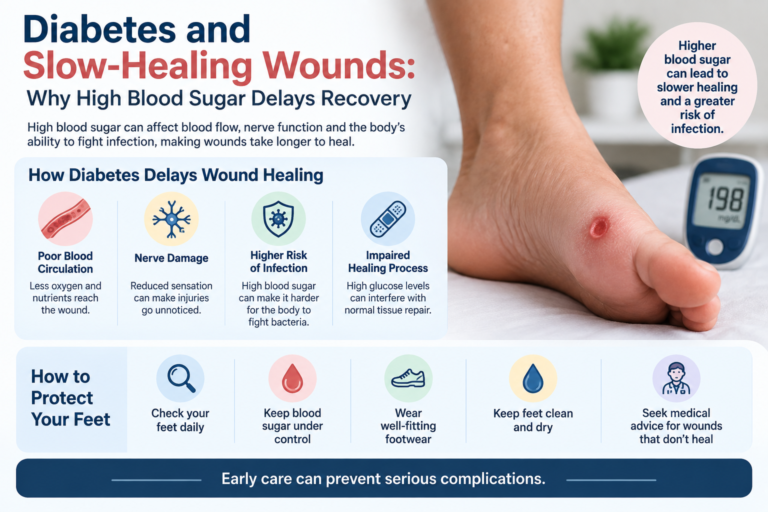
5. Slow-Healing Cuts, Bruises, or Frequent Infections
When you get a minor scrape, cut, or bruise, you expect it to heal within a few days. If you notice that minor wounds linger or that you are battling frequent skin or yeast infections, insulin resistance could be slowing your body’s defense mechanisms.
- Compromised Circulation and Immunity: Excess sugar in the bloodstream impairs circulation and weakens the immune system’s response, making it harder for white blood cells to reach the site of an injury and repair tissue efficiently.
Final Thoughts
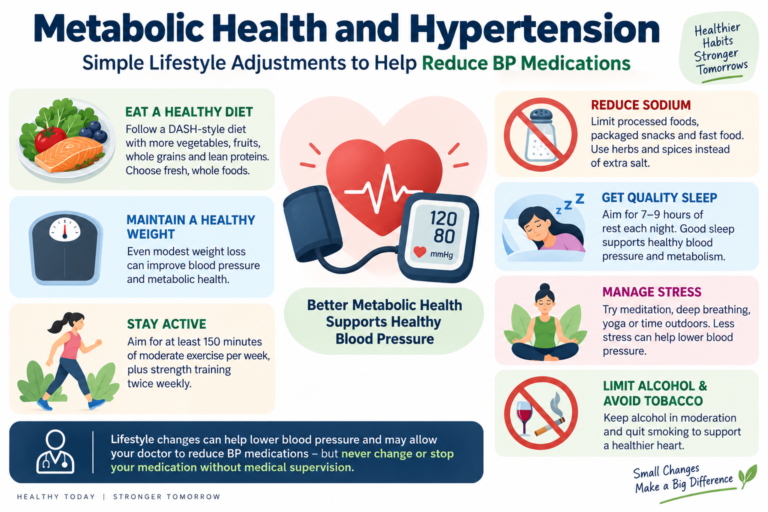
Pre-diabetes is a critical warning sign from your body, but it does not have to be a permanent destination. By paying attention to these subtle shifts—like lingering fatigue, unusual thirst, or skin changes—you can catch insulin resistance early. Simple changes, such as incorporating regular physical activity, eating a balanced, fiber-rich diet, and losing a modest amount of weight, can help you reset your metabolism and steer clear of type 2 diabetes.