Your gut does much more than digest food. Hidden within your digestive system is a complex ecosystem of trillions of microorganisms—collectively known as the gut microbiome—that plays a major role in metabolism, weight management, and blood sugar regulation.
Recent research shows that an unhealthy gut can contribute to weight gain, insulin resistance, inflammation, and even increase the risk of type 2 diabetes. On the other hand, improving digestive health can help your body process nutrients more efficiently, regulate appetite, and maintain healthy blood sugar levels.
Let’s explore how the gut and metabolism are closely connected—and what you can do to support both.
Understanding the Gut Microbiome
The gut microbiome consists of bacteria, fungi, viruses, and other microorganisms living primarily in your large intestine. While the word “bacteria” often sounds harmful, many gut bacteria are essential for good health.
A balanced microbiome helps:
- Digest complex carbohydrates and fiber
- Produce vitamins such as Vitamin K and certain B vitamins
- Support immune function
- Reduce inflammation
- Regulate hormones involved in hunger and metabolism
- Improve blood sugar control
When this balance is disrupted—a condition known as gut dysbiosis—your overall metabolic health may suffer.
How Gut Health Influences Metabolism
1. Better Nutrient Absorption
A healthy digestive tract efficiently breaks down food and absorbs nutrients that fuel your body’s metabolism.
Poor digestion may lead to nutrient deficiencies, low energy levels, and slower metabolic function.
2. Appetite Regulation
Gut bacteria help produce hormones like:
- GLP-1
- Peptide YY (PYY)
- Ghrelin
These hormones communicate with the brain to regulate hunger and fullness.
When gut bacteria are balanced, you’re more likely to feel satisfied after meals and less likely to overeat.
3. Energy Extraction from Food
Different gut bacteria extract different amounts of calories from food.
Studies suggest that individuals with less diverse gut bacteria may extract more calories from the same meal, making weight gain more likely.
The Gut-Blood Sugar Relationship
One of the strongest links between digestive health and metabolism is blood sugar control.
Healthy gut bacteria:
- Improve insulin sensitivity
- Reduce blood sugar spikes after meals
- Lower chronic inflammation
- Produce short-chain fatty acids (SCFAs) that help regulate glucose metabolism
An unhealthy microbiome may contribute to:
- Insulin resistance
- Elevated fasting blood sugar
- Increased abdominal fat
- Higher risk of type 2 diabetes
The Role of Fiber
Fiber is one of the most important nutrients for gut health.
Unlike other carbohydrates, fiber isn’t fully digested. Instead, it feeds beneficial gut bacteria.
When bacteria ferment fiber, they produce short-chain fatty acids (SCFAs) such as:
- Butyrate
- Propionate
- Acetate
These compounds:
- Improve insulin sensitivity
- Reduce inflammation
- Support the intestinal lining
- Help regulate appetite
- Enhance metabolic health
Aim for 25–35 grams of fiber daily from natural food sources.
Foods That Support a Healthy Gut
High-Fiber Foods
Choose:
- Oats
- Whole grains
- Lentils
- Beans
- Chickpeas
- Apples
- Pears
- Berries
- Leafy greens
- Broccoli
These foods nourish beneficial gut bacteria while supporting stable blood sugar.
Probiotic Foods
Probiotics introduce beneficial bacteria into the digestive tract.
Examples include:
- Yogurt with live cultures
- Kefir
- Kimchi
- Sauerkraut
- Miso
- Tempeh
Prebiotic Foods
Prebiotics feed existing healthy bacteria.
Good sources include:
- Garlic
- Onions
- Leeks
- Bananas
- Asparagus
- Chicory root
- Jerusalem artichokes
How Inflammation Connects the Gut and Metabolism
A damaged gut lining can allow unwanted substances to enter the bloodstream—a phenomenon often referred to as increased intestinal permeability or “leaky gut.”
This may trigger chronic low-grade inflammation.
Persistent inflammation is associated with:
- Obesity
- Insulin resistance
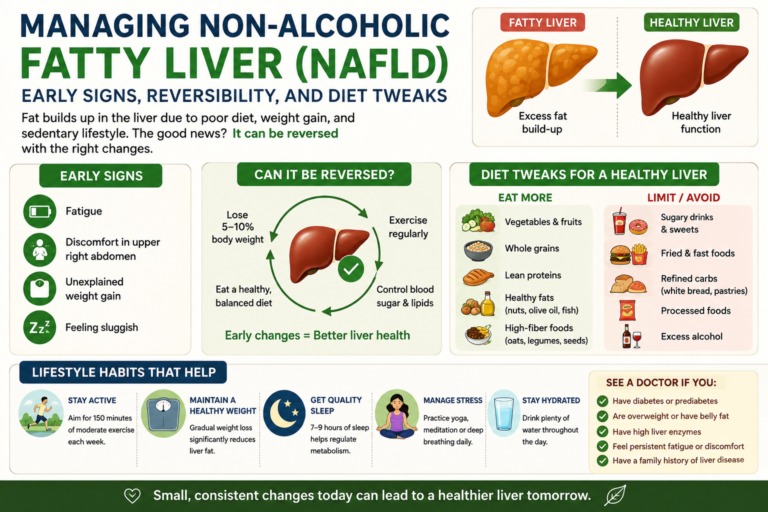
- Fatty liver disease
- Metabolic syndrome
- Cardiovascular disease
Supporting gut health may help reduce inflammation and improve metabolic function over time.
Lifestyle Habits That Improve Gut Health
Healthy digestion isn’t only about food.
Consider these daily habits:
Stay Physically Active
Regular exercise increases gut microbial diversity and improves insulin sensitivity.
Aim for at least 150 minutes of moderate activity per week.
Prioritize Sleep
Poor sleep alters gut bacteria and affects hormones that regulate hunger and blood sugar.
Adults should aim for 7–9 hours of quality sleep each night.
Manage Stress
Chronic stress affects the gut-brain axis and may disrupt digestion.
Helpful practices include:
- Meditation
- Deep breathing
- Yoga
- Walking outdoors
- Mindfulness
Stay Hydrated
Adequate water intake supports digestion, bowel regularity, and overall gut function.
Foods That May Harm Gut Health
Limiting certain foods may help maintain a healthier microbiome.
Try reducing:
- Highly processed foods
- Sugary beverages
- Excess refined carbohydrates
- Artificial sweeteners (for some individuals)
- Excess alcohol
- Frequent fried foods
These foods may reduce beneficial bacteria and increase inflammation when consumed regularly.
Should You Take Probiotic Supplements?
Probiotic supplements can be beneficial for some people, particularly after antibiotic use or for certain digestive conditions. However, not all probiotics are the same, and the most effective strains depend on individual health needs.
For many people, a diet rich in fiber, prebiotic foods, and naturally fermented foods provides substantial support for gut health. If you’re considering supplements—especially if you have diabetes, digestive disorders, or a weakened immune system—it’s best to discuss them with a healthcare professional.
Final Thoughts
A healthy gut is much more than a well-functioning digestive system—it’s a cornerstone of metabolic health. By nourishing your gut microbiome with fiber-rich foods, probiotics, prebiotics, regular exercise, quality sleep, and stress management, you can support healthy weight management and more stable blood sugar levels.
Small, consistent lifestyle changes can strengthen the gut-metabolism connection over time, leading to better energy, improved digestion, and a lower risk of metabolic diseases.