Fatty liver disease and type 2 diabetes are two of the fastest-growing health conditions worldwide—and they’re more closely linked than many people realize. In fact, each condition can increase the risk of developing the other, creating a cycle that may lead to serious complications if left unmanaged.
The encouraging news is that, for many people, early-stage fatty liver disease can be improved—and sometimes even reversed—through healthy lifestyle changes. Understanding this connection is the first step toward protecting both your liver and your metabolic health.
What Is Fatty Liver Disease?
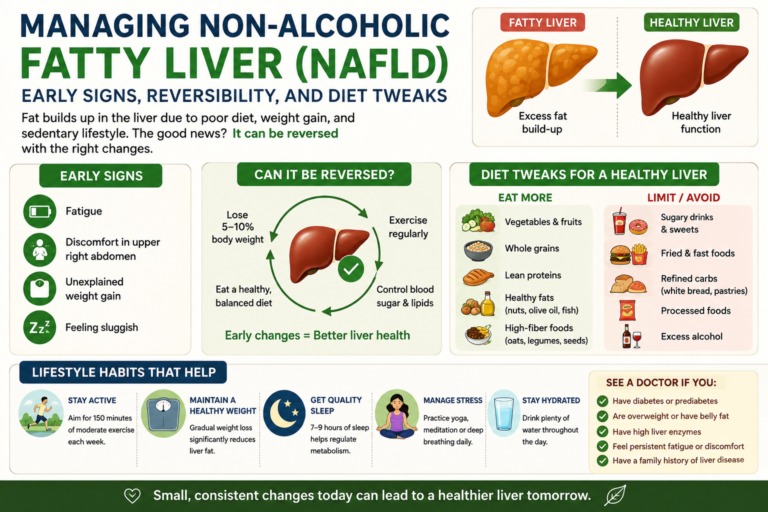
Fatty liver disease occurs when excess fat builds up in the liver. When this fat accumulation is not caused by excessive alcohol consumption, it is known as Metabolic Dysfunction-Associated Steatotic Liver Disease (MASLD) (previously called Non-Alcoholic Fatty Liver Disease or NAFLD).
The condition ranges from simple fat accumulation to more severe stages involving inflammation, scarring (fibrosis), cirrhosis, and even liver failure.
Many people with fatty liver disease experience no symptoms, making regular health screenings especially important for those at higher risk.
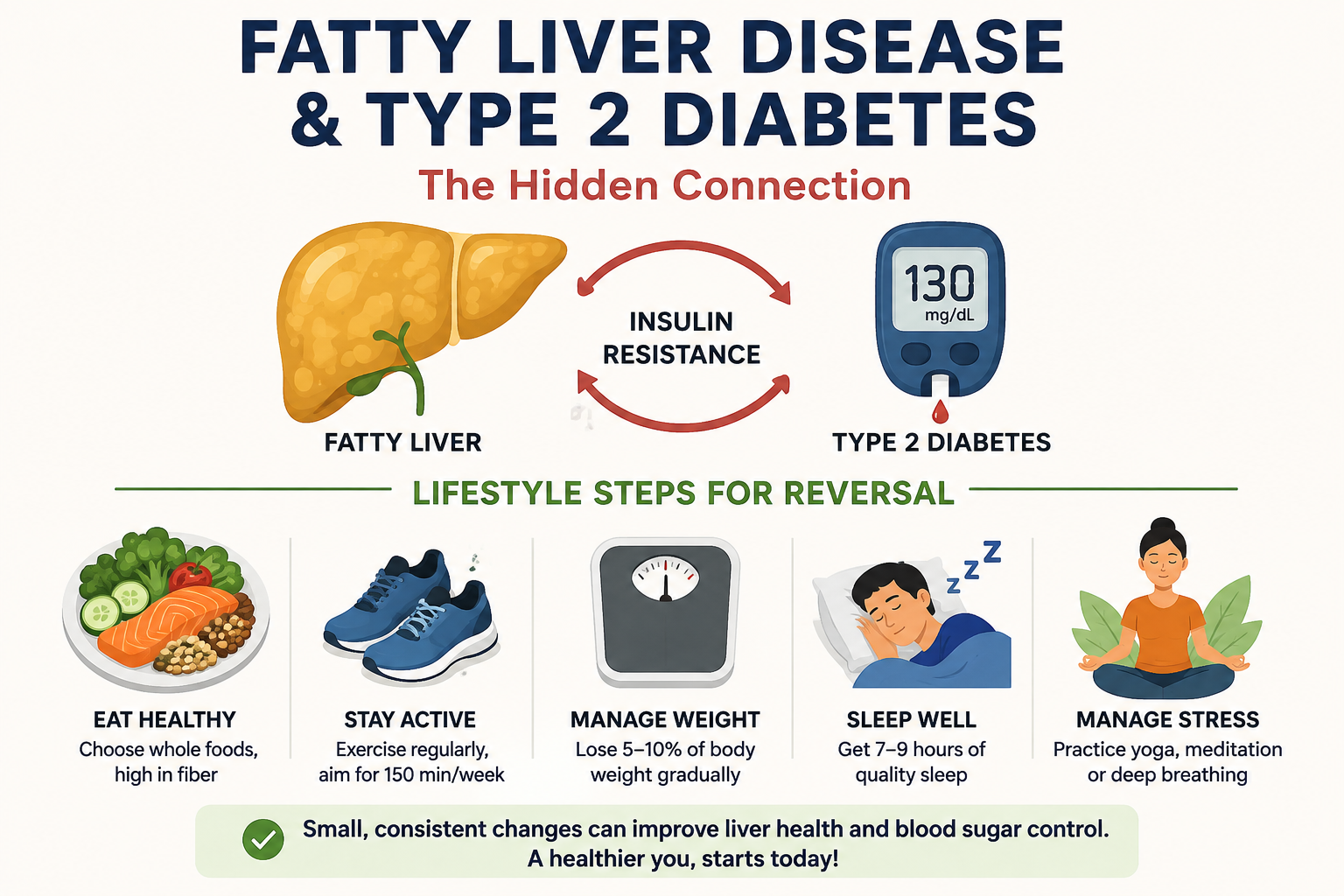
How Type 2 Diabetes and Fatty Liver Are Connected
The common link between these conditions is insulin resistance.
Normally, insulin helps move glucose from the bloodstream into cells for energy. In insulin resistance, the body’s cells become less responsive to insulin, causing blood sugar levels to rise.
At the same time:
- The liver begins storing excess fat.
- The pancreas produces more insulin.
- Blood sugar remains elevated.
- Chronic inflammation increases.
Over time, this creates a cycle where fatty liver worsens insulin resistance, and insulin resistance promotes further fat accumulation in the liver.
Who Is at Higher Risk?
Your risk increases if you have:
- Type 2 diabetes
- Prediabetes
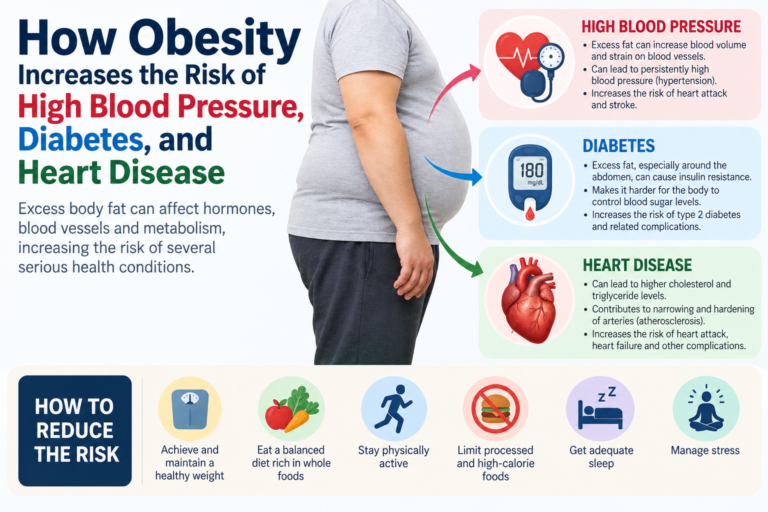
- Overweight or obesity
- Excess abdominal fat
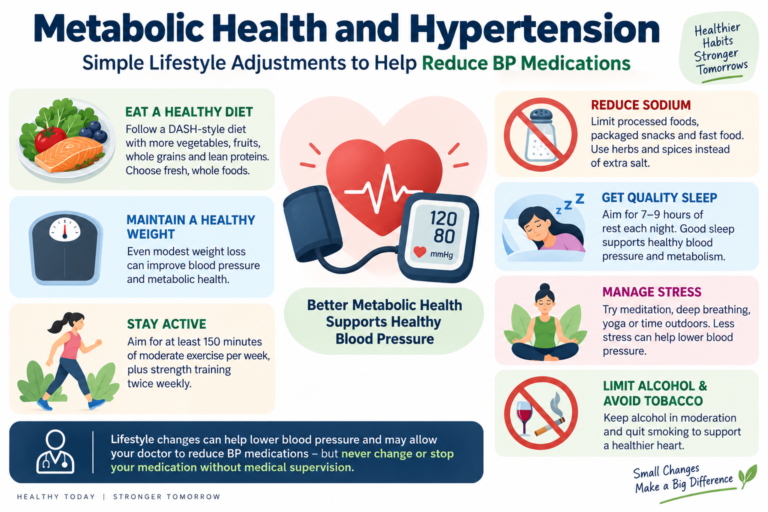
- High blood pressure
- High cholesterol or triglycerides
- Metabolic syndrome
- A sedentary lifestyle
- A family history of diabetes or liver disease
Symptoms to Watch For
Fatty liver disease often develops silently. However, some people may experience:
- Persistent fatigue
- Discomfort or fullness in the upper right abdomen
- Unexplained weakness
- Difficulty losing weight
- Elevated liver enzymes on routine blood tests
As liver damage progresses, symptoms may become more serious and require prompt medical evaluation.
Why This Connection Matters
When fatty liver disease and type 2 diabetes occur together, the risks increase significantly.
Potential complications include:
- Progressive liver fibrosis
- Cirrhosis
- Liver cancer
- Heart disease
- Kidney disease
- Poor blood sugar control
- Increased risk of cardiovascular events
Managing one condition often improves the other, making early intervention especially valuable.
Can Fatty Liver Disease Be Reversed?
In many cases, yes—especially in the early stages before significant liver scarring develops.
Lifestyle changes remain the cornerstone of treatment and can significantly reduce liver fat, improve insulin sensitivity, and support overall metabolic health.
Lifestyle Steps That Support Liver and Blood Sugar Health
1. Aim for Gradual Weight Loss
Losing 5–10% of your body weight can significantly reduce liver fat and improve insulin resistance.
Rapid weight loss is generally not recommended, as it may temporarily worsen liver health.
Focus on slow, sustainable progress.
2. Choose a Balanced, Whole-Food Diet
A liver-friendly eating pattern includes:
- Vegetables
- Fruits in moderation
- Whole grains
- Legumes
- Lean proteins
- Fish rich in omega-3 fatty acids
- Nuts and seeds
- Healthy fats such as olive oil
The Mediterranean diet has shown particular benefits for both fatty liver disease and type 2 diabetes.
3. Reduce Added Sugar
Excess sugar—especially fructose from sugary drinks and processed foods—can increase fat production in the liver.
Limit:
- Soft drinks
- Packaged fruit juices
- Sweets
- Desserts
- Sweetened breakfast cereals
- High-sugar snacks
4. Stay Physically Active
Exercise helps:
- Burn stored fat
- Improve insulin sensitivity
- Lower blood sugar
- Reduce liver fat
Aim for:
- At least 150 minutes of moderate aerobic exercise each week
- Strength training at least two days per week
Even brisk walking after meals can improve blood sugar regulation.
5. Improve Sleep
Poor sleep contributes to insulin resistance and increases the risk of obesity and fatty liver disease.
Adults should aim for 7–9 hours of quality sleep each night.
6. Manage Stress
Chronic stress raises cortisol levels, which can negatively affect blood sugar regulation and weight management.
Helpful stress-reducing practices include:
- Meditation
- Yoga
- Deep breathing exercises
- Walking outdoors
- Mindfulness techniques
Foods That Support Liver Health
Include more of these foods regularly:
- Leafy green vegetables
- Broccoli and cauliflower
- Berries
- Citrus fruits
- Oats
- Lentils and beans
- Fatty fish like salmon and sardines
- Walnuts
- Olive oil
- Green tea (in moderation)
- Coffee (for many adults, moderate intake has been associated with better liver health, unless otherwise advised by a healthcare professional)
Foods to Limit
Reduce your intake of:
- Fried foods
- Processed meats
- White bread and refined flour products
- Sugary beverages
- Excess desserts
- Ultra-processed snacks
- Excess alcohol
These foods can worsen both liver fat accumulation and blood sugar control.
Medical Treatment
Lifestyle changes are the foundation of treatment, but some individuals may also benefit from medications prescribed to manage:
- Type 2 diabetes
- Cholesterol
- Blood pressure
- Weight management
In some cases, newer diabetes medications such as GLP-1 receptor agonists may also help reduce liver fat while supporting weight loss. Treatment decisions should always be individualized and discussed with a healthcare provider.
When Should You See a Doctor?
Seek medical evaluation if you:
- Have type 2 diabetes or prediabetes
- Have persistently elevated liver enzymes
- Experience ongoing fatigue or abdominal discomfort
- Have obesity or metabolic syndrome
- Have a family history of liver disease
Early diagnosis allows treatment before permanent liver damage develops.
Final Thoughts
Fatty liver disease and type 2 diabetes are deeply interconnected through insulin resistance and metabolic dysfunction. While this relationship can increase the risk of serious health complications, it also means that improving one condition often benefits the other.
Adopting healthier eating habits, staying active, achieving gradual weight loss, getting adequate sleep, and working closely with your healthcare provider can significantly improve liver health and blood sugar control. Small, consistent lifestyle changes made today can help protect your liver, support better metabolism, and reduce the risk of long-term complications.