How Obesity Increases the Risk of High Blood Pressure, Diabetes, and Heart Disease
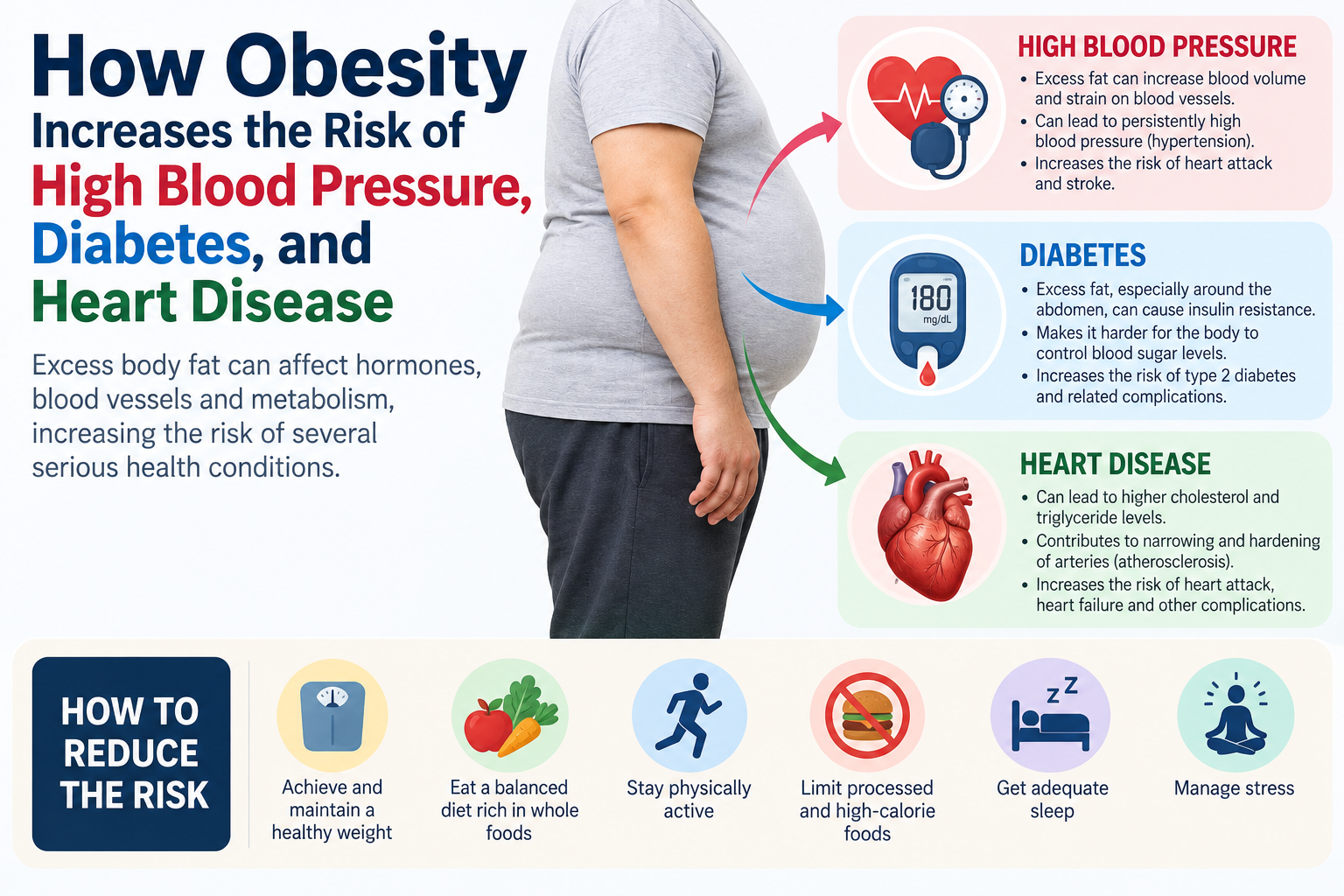
Excess body weight is more than a concern related to appearance or weight alone. Obesity is a chronic health condition that can affect metabolism, blood vessels, the heart, and several other body systems. It is associated with a higher risk of high blood pressure, type 2 diabetes, abnormal cholesterol, heart disease, and stroke.
The connection between obesity and these conditions is complex. Factors such as excess body fat, insulin resistance, inflammation, reduced physical activity, sleep problems, genetics, and diet can all contribute.
Understanding this connection can help people identify risk factors early and take appropriate steps to protect their long-term health.
How Does Obesity Affect the Body?
Body fat is biologically active tissue. When there is excessive accumulation of fat—particularly around the abdomen—it can contribute to metabolic and hormonal changes.
These changes may affect:
- Blood pressure
- Blood sugar regulation
- Cholesterol and triglyceride levels
- Insulin sensitivity
- Blood vessel function
- Heart function
- Kidney health
- Sleep and breathing
The American Heart Association describes these interconnected areas as part of cardiovascular-kidney-metabolic health. Excess weight can contribute to higher blood pressure and blood glucose and may increase the risk of cardiovascular and metabolic conditions.
Obesity and High Blood Pressure
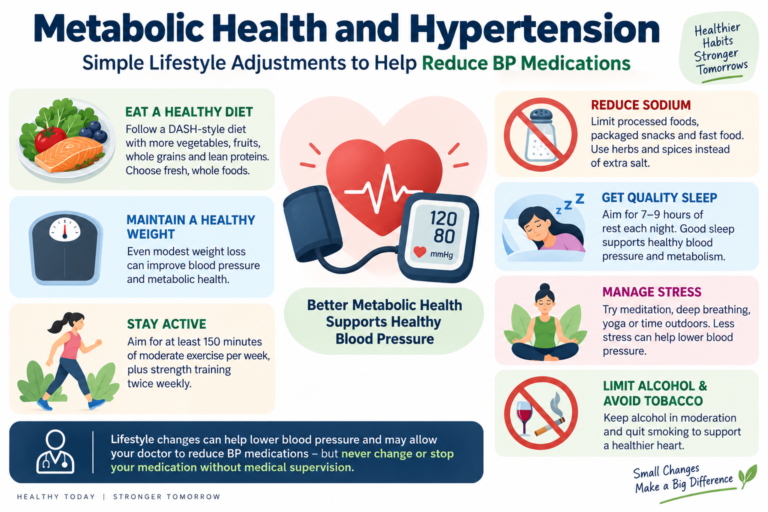
One of the strongest connections between excess weight and cardiovascular health is high blood pressure, or hypertension.
When a person carries excess weight, the heart and circulatory system may have to work harder to supply blood and oxygen throughout the body. Obesity is also associated with changes involving the kidneys, hormones, blood vessels, and nervous system that can contribute to elevated blood pressure.
Over time, uncontrolled high blood pressure can place additional stress on artery walls and increase the risk of cardiovascular complications.
What Can Increase the Risk Further?
Obesity-related blood pressure risk may be influenced by:
- High sodium intake
- Physical inactivity
- Poor sleep
- Sleep apnea
- High cholesterol
- Diabetes
- Family history
- Increasing age
- Smoking
This is why blood pressure should be checked regularly, particularly when other cardiovascular risk factors are present.
Obesity and Type 2 Diabetes
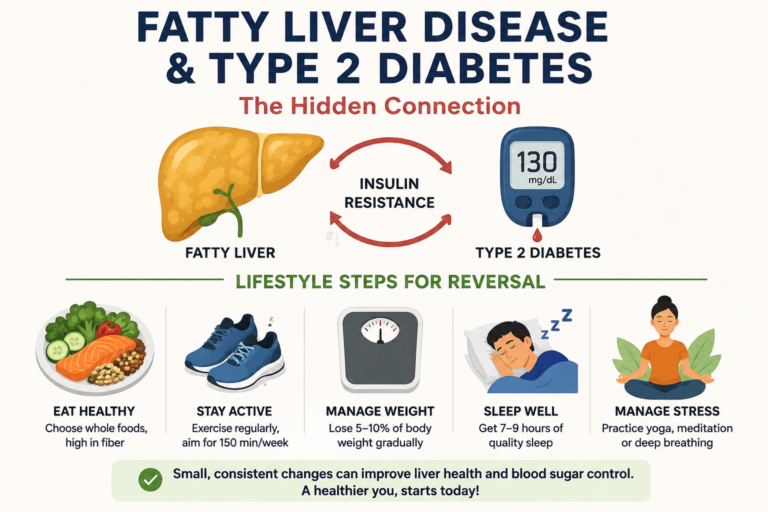
Another important connection is insulin resistance.
Insulin helps move glucose from the bloodstream into cells, where it can be used for energy. With insulin resistance, cells respond less effectively to insulin, and the body may need to produce more insulin to maintain normal blood glucose.
Excess body fat, particularly abdominal or visceral fat, is strongly associated with insulin resistance. Over time, the body’s ability to compensate may decrease, increasing the risk of prediabetes and eventually type 2 diabetes.
Warning Signs to Discuss With a Doctor
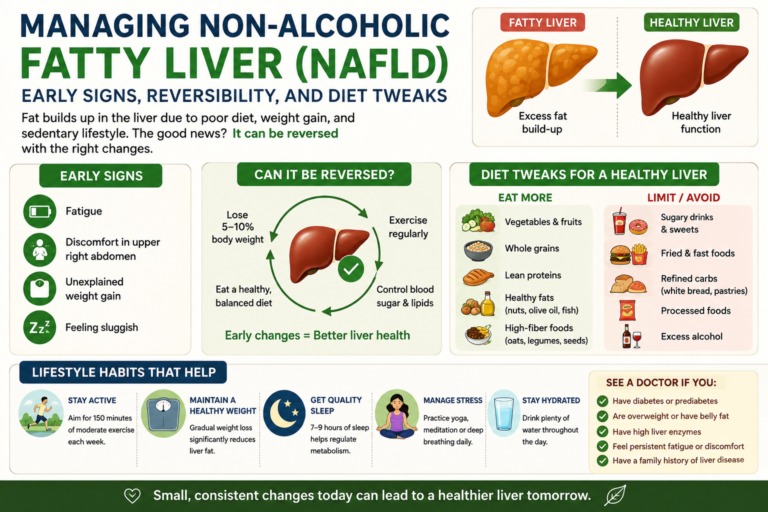
Prediabetes and early type 2 diabetes may not cause obvious symptoms. When symptoms occur, they can include:
- Increased thirst
- Frequent urination
- Increased hunger
- Unexplained weight changes
- Fatigue
- Blurred vision
- Slow-healing wounds
Because symptoms may be absent, appropriate blood sugar testing can be important for people with risk factors.
How Obesity Affects Heart Health
Obesity can influence heart health through several pathways.
It is associated with an increased likelihood of:
- High blood pressure
- Type 2 diabetes
- High LDL cholesterol
- High triglycerides
- Sleep apnea
- Physical inactivity
- Chronic metabolic and inflammatory changes
These conditions can occur together and compound cardiovascular risk. The CDC identifies obesity as a risk factor associated with high blood pressure, diabetes, abnormal cholesterol levels, coronary heart disease, and stroke.
For example, a person with obesity may also develop high blood pressure and abnormal cholesterol. If diabetes develops as well, these combined risk factors can place additional stress on the cardiovascular system.
Why Abdominal Fat Matters
Not all body fat has the same metabolic effects.
Visceral fat, which accumulates around internal abdominal organs, has been associated with cardiometabolic risk. Abdominal obesity has been linked to cardiovascular disease risk even beyond what BMI alone may indicate.
This is one reason healthcare professionals may consider waist circumference, alongside BMI and other health measurements, when evaluating metabolic risk.
Can Obesity Increase Cholesterol?
Yes. Obesity is associated with an unfavorable lipid profile in many people.
It may be associated with:
- Higher LDL cholesterol
- Higher triglycerides
- Lower HDL cholesterol
These changes can contribute to the development of atherosclerosis, in which plaque builds up inside arteries.
However, cholesterol levels are influenced by many factors, including genetics, diet, physical activity, age, medications, and other medical conditions.
Obesity, Sleep Apnea, and Heart Health
Obesity is also associated with obstructive sleep apnea, a condition in which breathing repeatedly becomes interrupted during sleep.
Sleep apnea can contribute to poor-quality sleep and is associated with cardiovascular and metabolic health problems. People who regularly snore loudly, wake up gasping, experience excessive daytime sleepiness, or have been told that they stop breathing during sleep should discuss these symptoms with a healthcare professional.
How Can You Reduce the Health Risks?
Weight management is not simply about reaching a particular number on a weighing scale. The goal is to improve overall health and reduce risk factors.
Helpful strategies can include:
1. Choose a Balanced Diet
Build meals around a variety of nutrient-rich foods such as:
- Vegetables
- Fruits
- Whole grains
- Beans and legumes
- Lean protein sources
- Nuts and seeds
- Appropriate portions of healthy fats
Reducing highly processed foods, excess added sugar, and excessive sodium can also support cardiovascular and metabolic health.
2. Stay Physically Active
Regular physical activity can improve insulin sensitivity, support cardiovascular fitness, and help with weight management.
If you have been inactive or have an existing medical condition, speak with your healthcare professional about an appropriate exercise plan before starting a demanding routine.
3. Monitor Your Health Numbers
Regular health checks can identify problems before they become more difficult to manage.
Depending on your risk factors, your doctor may recommend monitoring:
- Blood pressure
- Fasting blood glucose
- HbA1c
- Cholesterol
- Triglycerides
- Weight and waist circumference
The American Heart Association recommends knowing key health numbers because conditions such as prediabetes, high blood pressure, and abnormal cholesterol may exist without obvious symptoms.
4. Prioritize Sleep
Poor sleep can affect appetite, energy, metabolism, and cardiovascular health. If you have persistent daytime sleepiness or symptoms suggesting sleep apnea, discuss them with a doctor.
5. Avoid Crash Diets
Sustainable changes are generally more practical than extreme short-term diets.
Weight management can involve nutrition, physical activity, sleep, medications, behavioral support, and—in selected cases—medical or surgical treatment. The appropriate approach depends on the individual’s health and risk factors.
Does Losing Weight Help Reduce Health Risks?
For people living with excess weight, even modest weight reduction can improve several cardiometabolic risk factors.
The American Heart Association notes that weight loss can improve factors such as blood pressure, blood glucose, triglycerides, and cholesterol in appropriate individuals.
The focus should be on sustainable health improvements rather than rapid weight loss.
When Should You See a Doctor?
Consider a medical evaluation if you have excess weight along with:
- High blood pressure
- Elevated blood sugar or prediabetes
- High cholesterol
- Breathlessness during routine activities
- Persistent fatigue
- Loud snoring or suspected sleep apnea
- A strong family history of diabetes or heart disease
- Difficulty managing your weight despite lifestyle changes
A physician can assess your overall cardiovascular and metabolic risk and determine whether blood tests, lifestyle changes, medication, or additional evaluation may be appropriate.
Final Thoughts
Obesity can affect much more than body weight. Excess body fat—particularly abdominal fat—can contribute to insulin resistance, high blood pressure, abnormal cholesterol, and other changes that increase the risk of type 2 diabetes and cardiovascular disease.
The good news is that many of the associated risk factors can be identified and managed.
Regular health checks, a balanced eating pattern, physical activity, adequate sleep, and medically guided weight management can all play a role in protecting long-term health.
If you are concerned about your weight, blood pressure, blood sugar, or heart health, speak with an internal medicine physician for an individualized assessment and prevention plan.